
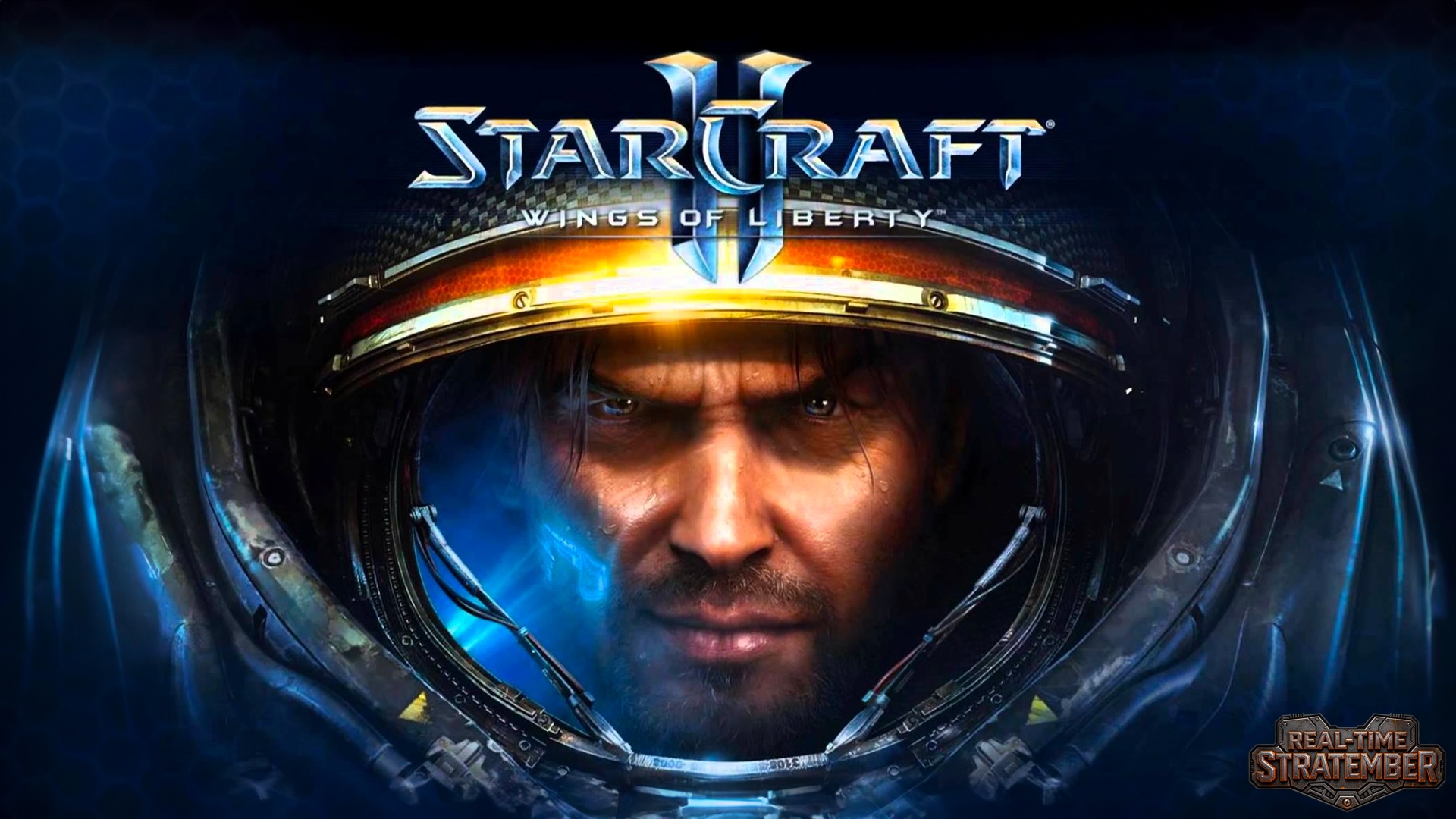
Let’s be honest, we all know this was coming. From the moment I kicked off Real-Time Stratember, StarCraft 2: Wings of Liberty was always locked in and planned for the finale. StarCraft 2 is the undisputed heavyweight champion of the genre and this entire month was leading nowhere but here. I briefly touched on it in my StarCraft: Remastered review, despite being a bit of a diehard RTS player back in the day, the original StarCraft was something of a blind spot for me. While the rest of the PC gaming world was worshiping at the altar of the original classic, I was still sinking time into Command & Conquer, Red Alert, Warcraft 2 and later Warcraft 3. I knew what StarCraft was and I’d even played the demo on a dusty demo disc, but I left the full version on that Blockbuster Video shelf. I wasn’t coming into the sequel as some nostalgic lore veteran, I was just an RTS fan looking for the next big thing. When Wings of Liberty launched in 2010, the hype was real and I simply couldn’t ignore it. I pulled the trigger at launch and man, I was absolutely hooked. Blizzard managed to deliver their most engaging and polished campaign yet and it completely consumed my gaming time. When I finally managed to finish it, I was basically like an addict looking for the next fix. My browser history immediately turned into a desperate, recurring loop of Googling ‘Heart of the Swarm release date‘ and ‘Legacy of the Void release date‘ for years. Playing it again for the Real-Time Stratember finale confirmed what I already knew. SPOILER ALERT: this one is a deadset masterpiece. Let’s get to it.

StarCraft 2: Wings of Liberty was released by Blizzard Entertainment in 2010. Serving as the first chapter in the trilogy, the campaign follows former Confederate Marshal Jim Raynor. Set four years after the Brood War, the Dominion remains the dominant Terran power having scaled back its broader military to hunt down Raynor’s Raiders. Kerrigan, the Queen of Blades, has mysteriously vanished after gathering the Swarm on the planet Char and the Protoss have remained quiet in her absence. Desperate to strike back at Emperor Arcturus Mengsk, Raynor teams up with his old buddy Tychus Findlay. Tychus claims to be working for the mysterious Moebius Foundation, who are willing to fund the revolution in exchange for ancient Xel’Naga artifacts. The pair cross paths with rogue Spectre Gabriel Tosh and researcher Ariel Hanson, all while working to expose Mengsk’s war crimes to the Dominion public. But when a vision from Raynor’s old Protoss friend Zeratul warns of a hybrid threat that can only be stopped by the Queen of Blades herself, he and his crew are set up for an inevitable showdown with both the Dominion and the Swarm. Who’s pulling the strings at the Moebius Foundation and what it might cost for Raynor to save Kerrigan is best left for you to find out yourself.

If you’ve played any Blizzard RTS, the core controls will feel instantly familiar, but StarCraft 2 raised the bar to new heights. Where Warcraft 3 pushed hero mechanics, StarCraft 2 shifts the focus to raw, mechanical perfection. Pathfinding and unit responsiveness are the best we’ve ever had in a real-time strategy game to date, units react instantly without the clunky movement that plagued nearly every older title in some way. StarCraft 2 established the gold standard for how a modern RTS should feel. What truly elevates the campaign is the engaging progression aboard Raynor’s ship, the Hyperion. Between missions, you’re not just clicking through rigid briefing screens. The Hyperion’s Armory, Cantina and Laboratory double as rich storytelling hubs and fairly deep customisation menus. Credits earned from each mission let you purchase permanent unit or building upgrades and hire heavy-hitting mercenary squads for use during missions, while Zerg or Protoss research points unlock game-changing tech choices like Tech Reactors or Automated Refineries. The mission design also doesn’t revolve entirely around the ‘build base, destroy base‘ formula. Instead, there’s some unique ideas folded in such as rising lava tides on Redstone, outrunning a slow moving wall of fire to even ambushing high-speed Dominion trains. Each mission feels fresh and honestly, they all hit. Returning Terran units blend seamlessly with the shiny new additions which gives you total freedom in how you handle the Protoss and the Swarm, depending on the mission. This is Blizzard operating at the absolute peak of their RTS design powers.

While the original twelve-year wait between StarCraft and StarCraft 2 wasn’t really an issue for me specifically, my documented search history for Heart of the Swarm and Legacy of the Void should prove how deeply this campaign commands your attention. The leap in presentation over the original is staggering. The monumental jump from 2D sprites to a fully realised 3D engine with phenomenal voice acting works to completely transform the standard for the genre. The Hyperion itself acts as the backbone for the story rather than a glorified menu screen and it anchors a story that effortlessly weaves Dominion politics, Protoss prophecies and a looming apocalyptic threat together. Crucially, the game never buries you under information and it never feels like a mission-to-mission grind. The overarching design and refined mechanics allow you to engage with the story exactly as much or as little as you want without losing forward momentum. Whether you played the original back in the day or are a relative newcomer, Wings of Liberty felt like a massive leap forward. Looking back, it’s a shame that traditional real-time strategy largely fizzled out in the years that followed. MOBAs like DOTA and League of Legends largely usurped the throne as the dominant competitive format and Blizzard essentially stepped away from the genre entirely. Until recently. StarCraft 2’s legacy remains practically untouched. While MOBAs may have filled the competitive void, for some at least, they will simply never live up to what Wings of Liberty brought to the table.

There was never any doubt that this was how Real-Time Stratember would end. StarCraft 2: Wings of Liberty isn’t just a great RTS campaign, it’s Blizzard operating at the absolute height of their powers and it shows in every corner of the game. The mechanical refinements alone set it apart from everything else I played through this month, pathfinding and unit responsiveness hold up as the genre’s gold standard over a decade on. The Hyperion as the base of operations elevates the campaign from good to legitimately special, turning what could have been throwaway downtime or set-dressing between missions into some of the richest storytelling the genre has ever produced. Mission variety works to keep things fresh from start to finish and the story never just dumps you in it, letting you engage as much or as little as you want without losing momentum. It’s a genuine shame that traditional real-time strategy games largely fizzled out not long after the trilogy wrapped up. MOBAs stepped in to an extent and Blizzard essentially dropped tools from the genre entirely, if anything that only cements how special this campaign still is. Looking back across the whole month, from Westwood’s earliest efforts through to Blizzard’s own history and everything else in between, nothing quite reaches the heights of what StarCraft 2 manages here. It absolutely is the undisputed heavyweight champion I promised in my introduction and it closes out Real-Time Stratember exactly the way it deserves. What a way to finish up a month I won’t be forgetting anytime soon.
Verdict:
StarCraft 2: Wings of Liberty is a deadset masterpiece that represents Blizzard at the peak of their real-time strategy powers. Between its raw mechanical perfection, incredibly solid mission variety and the deeply engaging storytelling hub of the Hyperion, it managed to cement a gold standard in the genre that remains untouched over a decade later. This is the undisputed heavyweight champion of the genre and the perfect closer for Real-Time Stratember.
Deck Compatibility: 9/10
Overall Game Rating: 10/10 – Hell, It’s About Time
Leave a Reply