I grabbed Killer Frequency on a whim. The premise sounded interesting enough and it was only a couple bucks on sale, seriously who am I to pass up a sale? I’ve been chasing something that ticks that interactive story box ever since I finished Firewatch last year and this more or less scratched that itch. Killer Frequency clearly isn’t cosy like Firewatch, but it’s presented in a similar choices matter style. As a sucker for point-and-click adventure games, this style of game really feels like a close relative to the genre. You poke around in the environment trying to piece things together and you have to make quick decisions under pressure with potentially dire consequences. These kinds of games sometimes just hook me in, Killer Frequency got me from the get-go and I was genuinely invested in how things were going to play out. Basically, Killer Frequency sounded like exactly what I was searching for. I’ll try to keep spoilers to a minimum. Let’s get to it.
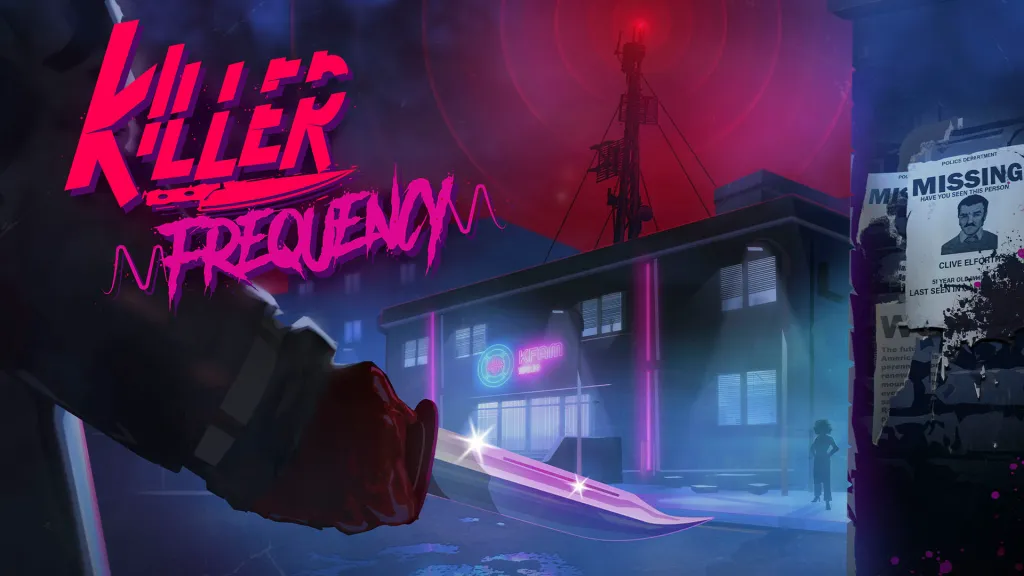
Killer Frequency was released by Team17 in 2023, it’s set in the small town of Gallows Creek in 1987. The plot is reminiscent of classic slasher flicks like Friday the 13th or Halloween but presented more like interactive late night talkback radio. Weird combo, you say? Sure, but stick with me here. We follow Forrest Nash, former big city radio DJ who’s found himself exiled to the graveyard shift of a struggling small town radio station: KFAM 189.16, The Scream. This shift will be like no other, as Forrest attempts to help his listeners who call in panicked as they’re being stalked by a mysterious killer known as the Whistling Man. Forrest has to keep the show running smoothly while trying to help the townsfolk survive the night. You juggle live conversations, listen intently for potential clues and solve light environmental puzzles around the station. Your potential snap decisions could mean life or death. Between calls for help, we can explore the station and mess around with some deliciously ‘80s-style tech all while being backed by a soundtrack which feels right at home in this time period. It’s a pretty simple setup, but it’s incredibly effective and once the phone starts ringing the tension barely lets up.
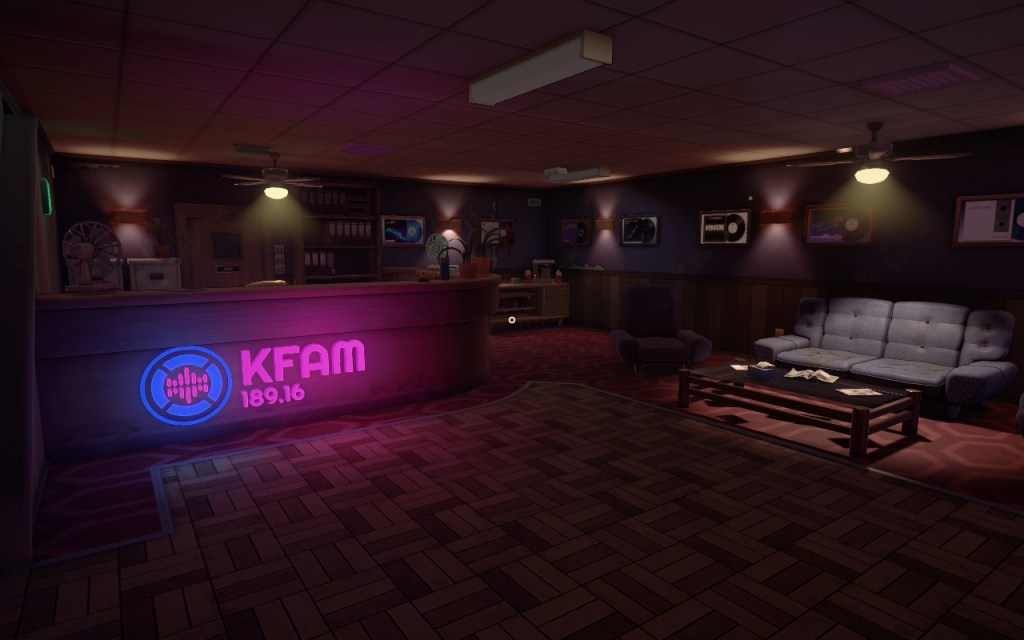
The game keeps things pretty simple and straightforward. You control Forrest in a first person style and the game is largely situated within the radio station, where you can look around, interact with various objects and solve light puzzles where required. The core experience revolves around answering phone calls and making dialogue choices on the fly with those decisions directly impacting how the current situation plays out. Choose the wrong line or miss an important piece of information and you might just end up getting someone killed. The mechanics themselves are pretty simple, which takes some of the pressure off and allows the tension and storytelling to do most of the work. Visually, the game leans into a cartoony art style which suits the late ‘80s setting really nicely. It’s not groundbreaking or chasing realism and it really doesn’t need to, Team17 instead opted for bold colours, chunky character designs and a strong sense of atmosphere. The radio station itself feels pretty authentic, with plenty of ‘80s style tech packed in and small details that really sell the time period. It looks pretty sharp on the Steam Deck OLED’s screen and it’s super easy to lose an afternoon or evening with headphones firmly on and the lights turned down low.
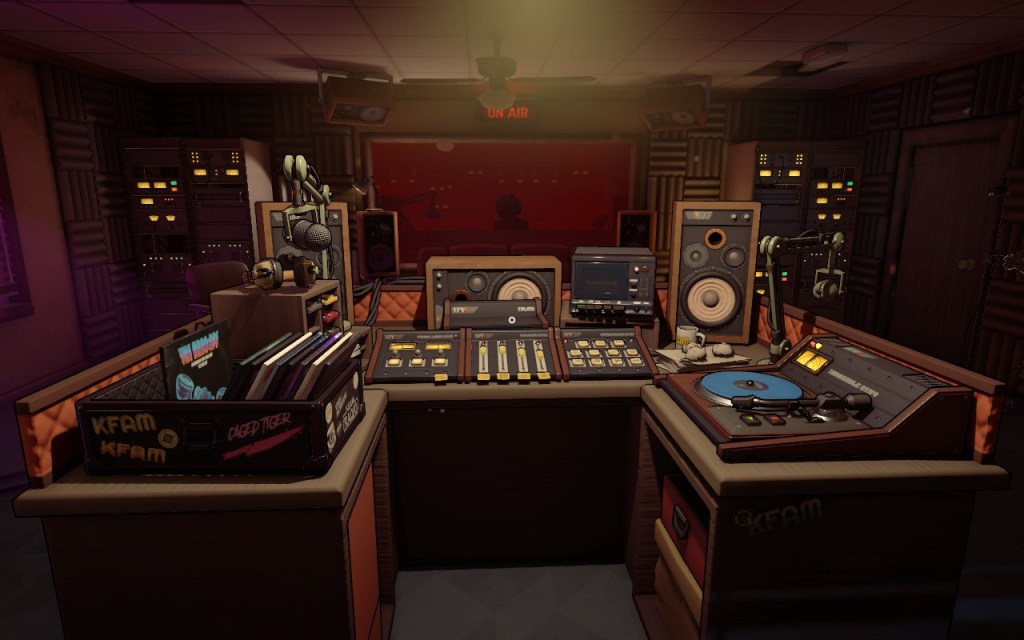
Everything about Killer Frequency has this super uneasy air about it from the moment the phones start ringing. Forrest is presented as a clear, confident and seasoned radio veteran but the reality is that he barely knows anything about the people in Gallows Creek. Even Peggy, his producer and the constant voice in his ear, she’s just familiar enough to be comforting without ever fully breaking the sense that he’s basically on his own. Peggy included, you’re surrounded by voices rather than faces and that in itself does a lot of heavy lifting in the tension department. The Whistling Man works incredibly well as the game’s villain and fits neatly into the classic slasher film mould. The slowly unfolding backstory and setup surrounding our antagonist is handled a lot better than I expected. Information slowly trickles through and it feels natural, slowly peeling back the story bit by bit rather than dumping everything on you at once. The slow burn approach was the right move, making the choices you make feel weighty and personal, especially when things go wrong. I’ll be honest, I definitely did my share of save-scumming to chase the particular ending I wanted, but even then, it was genuinely interesting to see how different decisions played out and just how quickly situations could spiral out of control. It absolutely captures the slasher flick feeling, where small mistakes can snowball and tension keeps building right until the end.
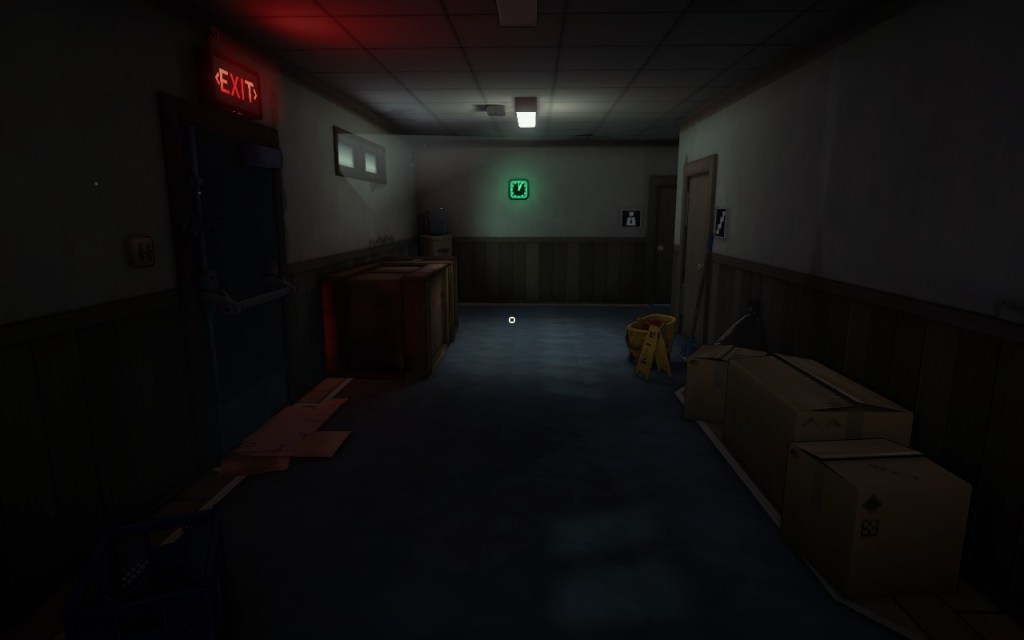
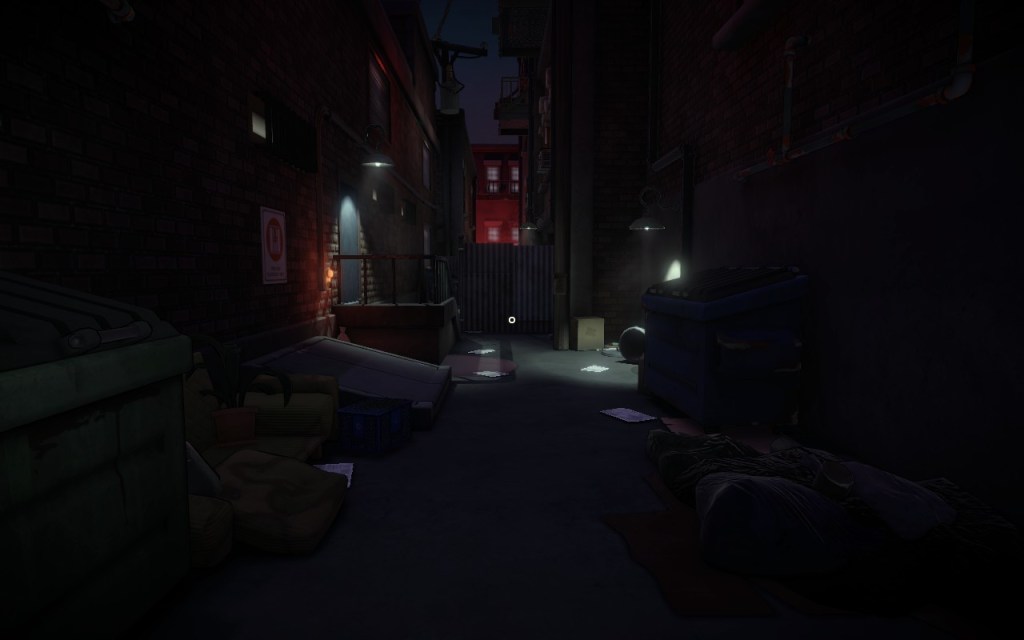
It plays into the setting and time period, but the sound design in Killer Frequency probably lifts it higher than it otherwise would have and is one of the game’s biggest strengths. Voice acting is also excellent across the board, which is pretty vital when all the connection to the story comes through phone calls. Forrest in particular sounds fantastic and strikes a solid balance between calm radio professionalism and somewhat contained panic as the night begins to spiral. The small supporting cast also does an unreal job, each caller feels distinct and believable rather than just interchangeable voices on the line. Pacing through the game is generally pretty great and feels well considered. Moving between calls and the quieter moments never have you feel like you’re overstaying your welcome. Wandering around the station at night builds a steady sense of suspense, especially when you step outside where you’re made to feel more exposed and uncomfortable. Those sections do a great job of dialling up the tension, though the slow walking speed can become a little frustrating. It’s a minor knock I guess and even though it’s probably intentional, it can feel like you’re walking at half speed. My only other real gripe is the game’s length, Killer Frequency runs a bit short and I was left wanting more. But branching choices and multiple endings add a nice layer of replayability, making it kinda tempting to jump back in and see how different decisions can shape the ending… provided you don’t save-scum like I did.
Killer Frequency is a game that I really didn’t expect a great deal from, but it ended up being one that really drew me in. They nailed the atmosphere and it was a smart move to keep the mechanics simple while leaning HARD into tension rather than opt for cheap jump scares. Choices feel undeniably meaningful and the voice acting carries the experience throughout the game, giving its slasher film inspired framing a strong identity without feeling derivative. It’s certainly not perfect and it does leave you wanting more, but in a way that feels more like a compliment than a major issue. Whether you’re chasing narrative or choice driven games with light environmental puzzles or just can’t get enough of late night talkback radio and classic horror, Killer Frequency is absolutely worth your time. It’ll work best if you let yourself sink right into it, block out any distractions and switch off the lights. On the Steam Deck, it felt tailor made for those late night sessions with headphones on, lights down low and everything else off so you can let your choices drive the story right through to the end.
Verdict:
Killer Frequency kinda surprised me with its simple mechanics and modest presentation. It blends late night radio, slasher movie tension and meaningful choices into a genuinely enjoyable and engaging experience. It’ll likely leave you wanting more, but that restraint works in its favour and is part of what makes it stick.
Deck Compatibility: 10/10
Overall Game Rating: 8/10 – Slasher Film Fancy

 Dad with a Deck
Leave a comment